Container Shippers Embrace Dual-Fuel Vessels for a Greener Future

November 22, 2024

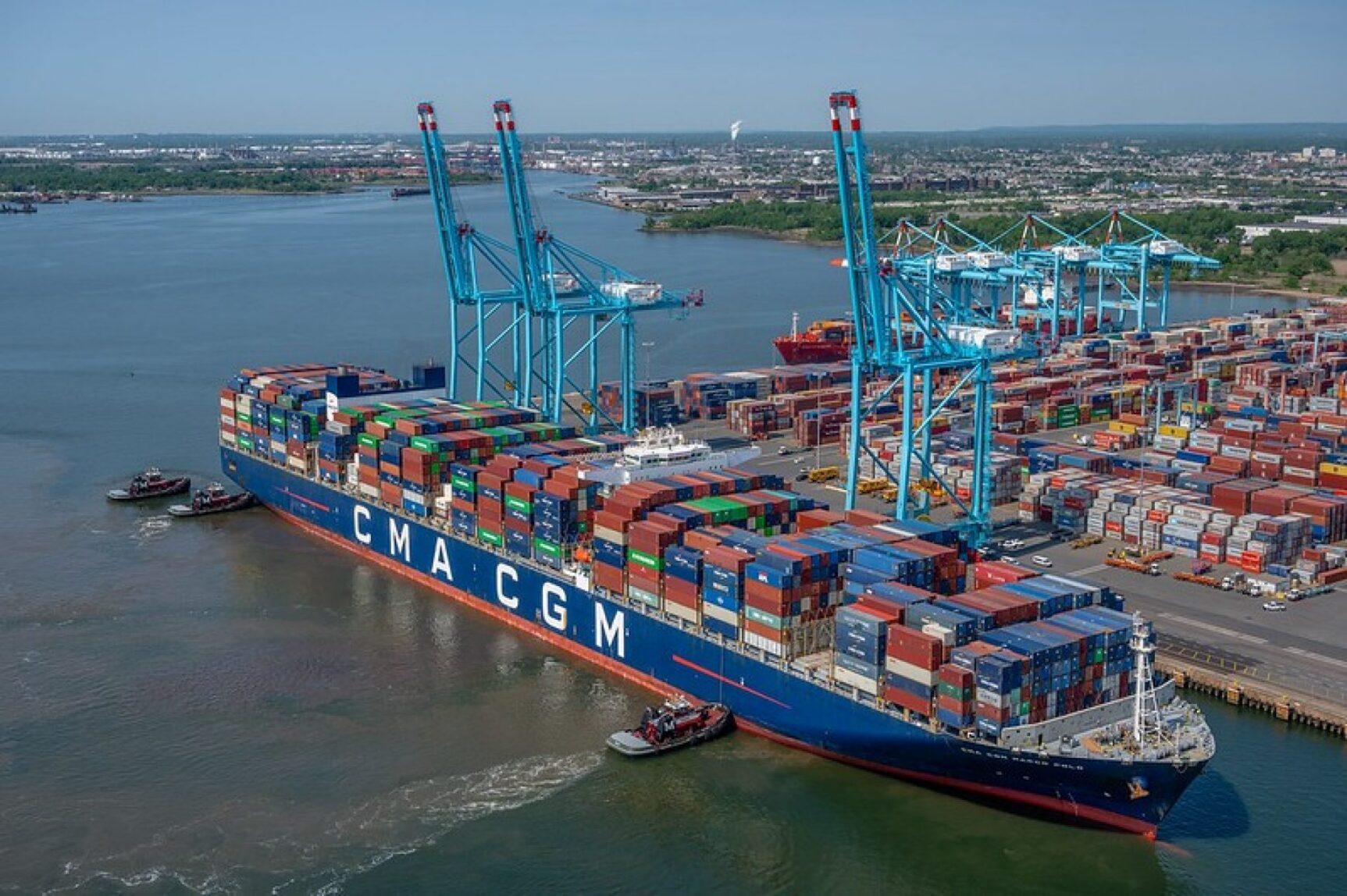
Container shipping companies, including Maersk, CMA CGM, and COSCO, are investing in dual-fuel vessels to reduce greenhouse gas emissions and comply with global regulations and customer expectations. 

These new ships are designed to operate on both traditional fuels and alternative options like liquefied natural gas (LNG), methanol, hydrogen, and ammonia. This strategy addresses the uncertainty surrounding the most viable green fuel for the future. Shipping contributes approximately 3% of global GHG emissions, necessitating significant investment and clear regulations to achieve decarbonization goals. 

While LNG is currently favored for its cleaner combustion, concerns about methane leaks persist. Companies are also exploring other fuels, such as green methanol and biofuels, and are advocating for global guidelines to support the transition to greener shipping practices

💡 Insights for Container Investors​

Increased Demand for Green Technology: The transition to dual-fuel vessels signals rising demand for alternative fuels and sustainable shipping solutions, presenting opportunities for container investors to focus on companies embracing green innovations.

Regulatory-Driven Growth: As global regulations push for decarbonization, companies investing in dual-fuel vessels are better positioned for compliance, reducing future risks and enhancing long-term profitability, benefiting investors.

Emerging Market Opportunities: The diversification into alternative fuels like LNG, methanol, and hydrogen creates potential growth sectors, allowing investors to align with businesses that innovate within the green shipping ecosystem.

Take the first step
to connect and collect

Your name*
Email*
Phone*
Country*
Message*
*Fields are required.
American port strike comes to an end

October 4, 2024

The American port strike has come to an end after the International Longshoremen’s Association (ILA) reached a tentative agreement with the United States Maritime Alliance (USMX). The deal includes a significant wage increase of around 62%, and the strike is suspended until January 2025 while further negotiations continue. This resolution allows work to resume at affected ports, helping to alleviate potential supply chain disruptions

💡 Insights for Container Investors​

• Improved Port Efficiency: With operations resuming, container congestion will decrease, allowing smoother import/export flow, which can lead to faster turnover for container assets and boost profitability.

• Stabilized Freight Rates: The strike's resolution helps prevent prolonged disruptions, which stabilizes freight rates, protecting container investors from volatile rate spikes that could hurt long-term contracts.

• Renewed Confidence in Supply Chain: The swift resolution of the strike reassures businesses relying on U.S. ports, encouraging more container usage and long-term demand for shipping infrastructure investments.

Take the first step
to connect and collect

Your name*
Email*
Phone*
Country*
Message*
*Fields are required.
Ship queue grows at US ports as dockworker strike enters third day

October 3, 2024

A major dockworker strike, the largest in nearly 50 years, has caused long queues of container ships at U.S. East and Gulf Coast ports. The strike, involving 45,000 workers, began after contract talks between the International Longshoremen’s Association (ILA) and the U.S. Maritime Alliance broke down. The dispute centres on pay raises and automation concerns.

With 45 ships waiting to unload, disruptions could worsen if no agreement is reached, leading to potential shortages and economic impacts. The Biden administration supports the union, increasing pressure on port employers.

💡 Insights for Container Investors​

• Increased Demand for Container Storage: With delays at ports, containers may be stuck longer on ships, creating opportunities for storage solutions and premium pricing for those offering space.

• Potential Surge in Freight Rates: Prolonged congestion and limited unloading capacity could drive up freight rates, benefiting investors involved in container leasing.

• West Coast Diversion Opportunities: As companies consider rerouting to West Coast ports, investors in container transport services on these routes might see a rise in demand and profits.

Take the first step
to connect and collect

Your name*
Email*
Phone*
Country*
Message*
*Fields are required.
American Port Union Intensifies Anti-Automation Stance Amid Negotiations

October 7, 2024

The International Longshoremen’s Association (ILA) has reinforced its opposition to port automation following a temporary resolution to recent strikes on the US East and Gulf coasts. While a tentative wage agreement has been reached, the union is pushing to ensure protections against the use of automated machinery in future negotiations. This anti-automation stance could hinder efforts to improve US port competitiveness, which lags behind global counterparts in efficiency rankings.

💡 Insights:​

• Limited Port Automation: The union's strong opposition to automation could slow technological upgrades, increasing reliance on manual labor, potentially boosting demand for container handling services and creating investment opportunities in the human resources sector.

• Operational Delays: With fewer automated systems, there could be more bottlenecks, driving up transportation costs, which could lead to higher shipping rates and benefit investors in the logistics and container shipping sectors.

• Competitive Edge: Ports slow to adopt automation may face reduced productivity, allowing more efficient global ports to capture market share, benefiting container investors targeting those regions.

Take the first step
to connect and collect

Your name*
Email*
Phone*
Country*
Message*
*Fields are required.
Gulf Coast Ports See Sharp Rise in Container Volumes for August

September 30, 2024

Gulf Coast ports, including Houston and New Orleans, reported a surge in container volumes in August 2024. Port Houston saw a 20% year-over-year increase, handling 367,653 TEUs, while the Port of New Orleans recorded a 36% rise in container movements. This growth comes despite concerns about potential labour strikes, and is driven by exports of petrochemical products and manufactured goods. Meanwhile, the Port of Corpus Christi saw a modest 1% increase in overall cargo, with crude oil exports up 2% year over year.

💡 Insights:​

• Increased Shipping Demand: The surge in container volumes at Gulf Coast ports reflects strong trade activity, benefiting container investors by driving up demand for shipping services and container leasing.

• Strategic Growth Area: Gulf Coast ports' growth, particularly in exporting petrochemicals and manufactured goods, highlights investment opportunities in logistics and port infrastructure.

• Potential for Higher Revenues: With increased throughput, ports like Houston and New Orleans may generate higher revenues, offering potential returns for investors in port-related stocks or infrastructure funds.

Take the first step
to connect and collect

Your name*
Email*
Phone*
Country*
Message*
*Fields are required.
Why Globalisation Continues to Thrive in a Changing World

September 19, 2024

Globalisation is still thriving, driven by digital connectivity, resilient global supply chains, and increased economic interdependence. Technological advancements, such as e-commerce and remote work, have strengthened global ties. Despite political tensions, trade remains strong, especially between major economies like the US and China.

Additionally, cultural exchange and migration contribute to a globalised society, while global corporations and collective responses to challenges like climate change and pandemics further underline the ongoing relevance of globalisation.

💡 Insights for Container Investors​

• Continued Trade Growth: Despite global tensions, trade between key economies like the US and China remains strong, driving demand for container shipping.

• Digital Connectivity Boost: E-commerce and remote work fuel international shipments, increasing the need for container transport to support global supply chains.

• Resilience Amid Challenges: Globalisation’s persistence through crises like pandemics and climate change highlights opportunities for container investors to benefit from stable, long-term demand.

Take the first step
to connect and collect

Your name*
Email*
Phone*
Country*
Message*
*Fields are required.
Russian Oil Price Cap Under Scrutiny as Prices Drop

September 16, 2024

The Russian oil price cap, introduced by the EU, G7, and Australia in 2022, is under scrutiny as oil prices, especially for Russian Urals, near the $60 per barrel cap.

If prices exceed this limit, Western shipowners may return to transporting Russian oil, which could benefit the mainstream tanker market and marginalize older, poorly maintained vessels in the “dark fleet.”

This shift is expected to reduce environmental risks from these less regulated ships.

💡 Insights for Container Investors​

- Increased Demand for Tankers: If Western shipowners re-enter the market, it could create higher demand for container vessels, driving up their value.

- Improved Market Conditions: A reduction in the use of "dark fleet" vessels could improve market standards, benefiting more compliant and efficient container investors.

- Reduced Environmental Risks: With fewer unregulated vessels, there may be fewer environmental and operational risks, leading to better long-term sustainability for container investments.

Take the first step
to connect and collect

Your name*
Email*
Phone*
Country*
Message*
*Fields are required.
China Unveils Record-Breaking 27,500 TEU Dual-Fuel Boxship Design at SMM

September 6, 2024

China State Shipbuilding Corporation (CSSC) unveiled a groundbreaking design for a 27,500 TEU LNG dual-fuel containership at the SMM exhibition in Hamburg.

This design, larger by 3,000 TEU than the current biggest ships, marks a new milestone in container shipping. While the trend in recent orders focuses on more flexible, smaller ships, this new design targets the Asia-Europe routes, offering greater capacity. The SMM event, focusing on maritime energy transitions and digital transformation, attracted over 2,000 international exhibitors.

📌 Insights for Container Investors

- The debut of a 27,500 TEU containership design signals the potential for greater capacity on key trade routes, offering investors opportunities tied to higher shipment volumes.

- LNG dual-fuel technology in this design aligns with global sustainability trends, attracting investors interested in green shipping innovations.

- As larger ships reduce per-unit shipping costs, investors can benefit from improved margins for container shipping companies operating these mega vessels, particularly on high-traffic Asia-Europe routes.

Take the first step
to connect and collect

Your name*
Email*
Phone*
Country*
Message*
*Fields are required.
Container Shipping Profits Surge Amid Record Volumes and Rising Freight Rates

September 3, 2024

The global container shipping industry saw profits soar to over $10 billion in Q2 2024, driven by record shipping volumes and rising freight rates. Major carriers like Maersk and Cosco benefited from tight capacity caused by Red Sea disruptions. Container volumes hit an all-time high of 46.4 million units, surpassing the previous 2021 record.

U.S. demand remains strong as retailers stock up, anticipating potential tariffs and strikes. While profits have rebounded, they remain below pandemic-era peaks.

📌 Insights for Container Investors

- Rising shipping volumes and higher freight rates are boosting profits for container carriers, presenting strong growth opportunities for investors.

- Global supply chain disruptions have tightened capacity, driving increased demand and improving the profitability outlook for key industry players.

- Investors can capitalize on sustained U.S. demand, as retailers continue to stock up, anticipating potential market shifts, which could further elevate shipping rates and company earnings.

Take the first step
to connect and collect

Your name*
Email*
Phone*
Country*
Message*
*Fields are required.
Hapag-Lloyd implements new peak season surcharges worldwide

July 11, 2024

Hapag-Lloyd has announced new peak season surcharges (PSS) across its global network, starting August 1, 2024. These surcharges will affect key trade routes, including Asia to North America, Europe to South America, and intra-Asia.

Key rates include $600 per TEU and $1,200 per FEU from Asia to North America, and $300 per TEU and $600 per FEU from Europe to South America. These surcharges aim to manage increased operational costs and ensure reliable services during peak shipping periods.

Hapag-Lloyd stresses that these measures are essential for maintaining service quality amid high demand. Customers should account for these additional costs in their shipping plans during the peak season.

What does this windfall mean for investors?

This windfall of updated surcharges means that investors can expect higher shipping costs during peak seasons. It also signifies increased demand and potential for higher returns.

Take the first step
to connect and collect

Your name*
Email*
Phone*
Country*
Message*
*Fields are required.